
Climate Change and Societies
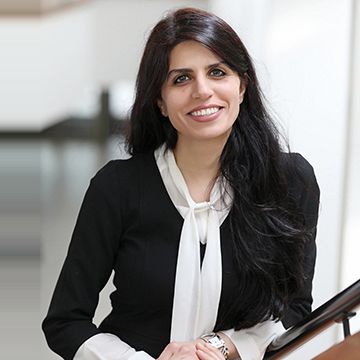
INSTRUCTORS
AIM
This course examines global climate change, its underlying drivers, and its far-reaching environmental, social, and economic consequences. Particular attention is given to the role of human and organizational activities in intensifying climate-related risks and deepening social and environmental vulnerabilities.
The course aims to develop a comprehensive understanding of the socio-economic dimensions of climate change, including its impact on resource depletion, social injustice and vulnerable populations. Students will critically explore pathways toward climate justice and assess how sustainable development frameworks can be leveraged to address these challenges.
An emphasis is placed on the integration of key sustainability frameworks including the Green New Deal, the European Green Deal, the United Nations Sustainable Development Goals (Agenda 2030), and green economy principles to reconcile economic performance with ethical responsibility and environmental stewardship.
Upon successful completion of this course, students will be able to:
- Understand the causes and mechanisms of climate change, including both human-induced and natural drivers of greenhouse gas emissions and extreme weather events.
- Analyze the social, economic, and ecological impacts of climate change, with a particular focus on vulnerable communities.
- Critically evaluate climate policies, including the Green New Deal and the European Green Deal, and assess the roles of government and organizations in climate governance.
- Develop and promote sustainable, ethical, and inclusive solutions to climate challenges.
- Strengthen critical thinking and research skills in order to synthesize evidence and propose practical recommendations for climate mitigation and social equity.
MAIN TOPICS
- Global Climate Change: causes, impacts, resource depletion, and social injustice
- Sustainable Solutions at different levels, including circular economy models and UN Sustainable Development Goals.
- Climate and Green Policies: understanding international frameworks such as the Green New Deal, the European Green Deal and long-term agendas (e.g. Agenda 2030)
- Sustainability in Practice: building a sustainable mindset and designing individual action plans
TEACHING METHODOLOGY
The course will employ a range of teaching approaches designed to enhance students’ knowledge and skills. Traditional lectures will introduce and explain key theoretical concepts. Group discussions will be integrated to encourage critical thinking, collaboration, and problem-solving skills. In addition, students will work on real-world case studies and short worksheets, enabling them to develop a practical understanding of sustainability challenges and apply theoretical frameworks to real-life situations.
DAY-BY-DAY PROGRAM
| N° | Topics | Instructor |
| Lesson 1 | Global Climate Change: causes, impacts, resource depletion, green washing case study | Fatima Hassan |
| Lesson 2 | Address social injustice and introduce sustainable solutions at different levels. It will also briefly present the circular economy and the United Nations Sustainable Development Goals (SDGs) as key frameworks for promoting sustainability and social equity | Fatima Hassan |
| Lesson 3 | Climate and Green Policies: overview of major international and regional climate and sustainability frameworks, especially the Green New Deal, European Green Deal, Agenda 2030 and the SDGs. The block highlights their main goals and tools, and uses best practices and case studies to show how they shape strategies and decisions of governments, businesses and citizens. | Veronika Vašíčková |
| Lesson 4 | Developing a sustainability-oriented mindset and translating ideas into concrete personal behaviour and choices. Students explore how their values, habits and professional roles relate to sustainability and reflect on their own potential for influence. The outcome is an individual action plan that outlines realistic steps they can take in their studies, work or everyday life to support sustainable development. | Veronika Vašíčková |
SUGGESTED REFERENCES
IPCC. IPCC Special Report on Climate Change, Desertification, Land Degradation, Sustainable Land Management, Food Security, and Greenhouse Gas Fluxes in Terrestrial Ecosystems. 1-31. https://www.ipcc.ch/
Lindsey, R., & Dahlman, L. (2025). Climate Change: Global Temperature. Climate Change: Global Temperature | NOAA Climate.gov.
United Nation (2023). What is Climate Change. Climate action. https://www.un.org/en/climatechange/what-is-climate-change
United Nations. Department of Economic and Social Affairs. Sustainable Development. Transforming our World: The 2030 Agenda for Sustainable Development. 2015. https://sdgs.un.org/publications/transforming-our-world-2030-agenda-sustainable-development-17981
Isabel Rimanoczy. What is a Sustainability Mindset. https://www.isabelrimanoczy.net/what-is-it/